
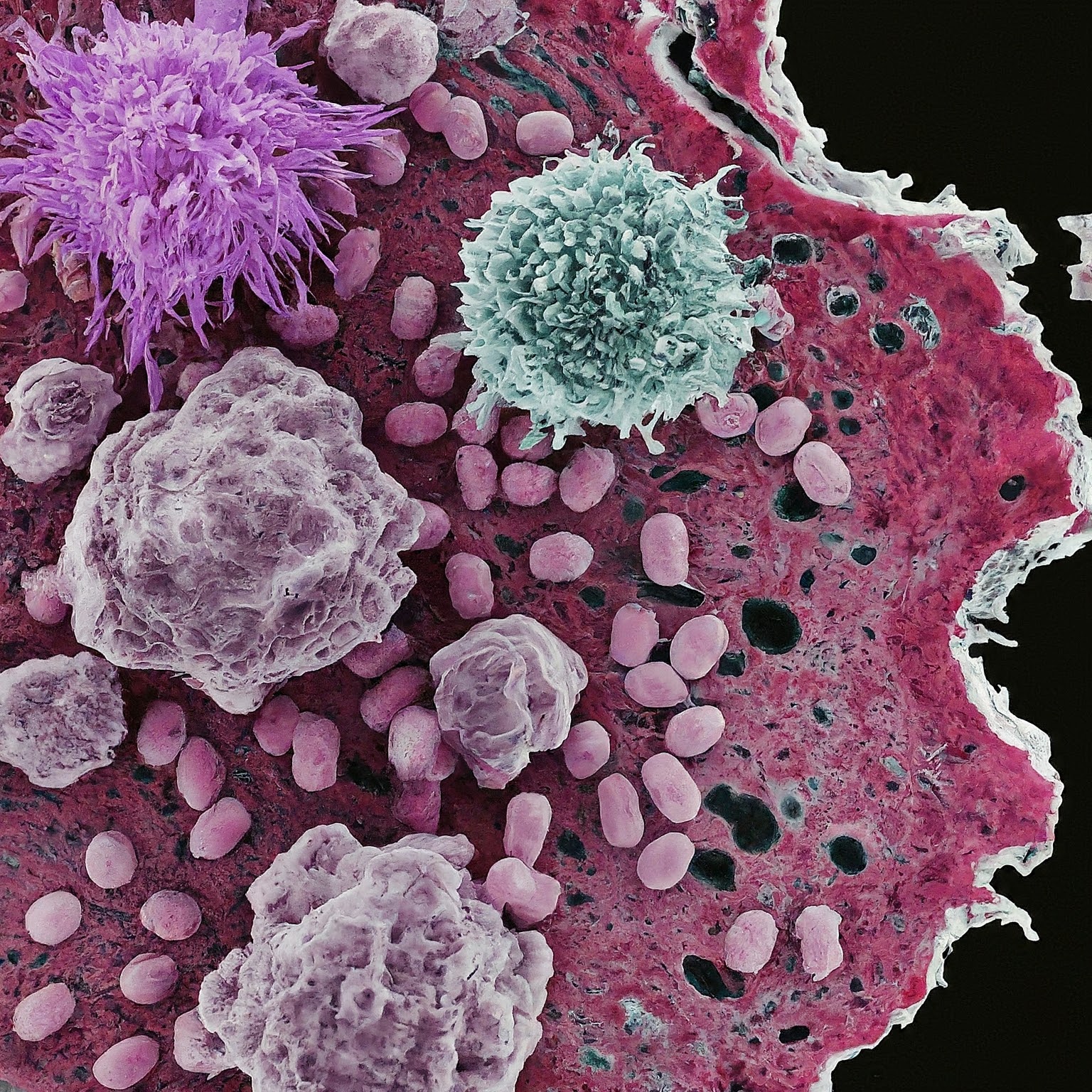
What is CPI-613 and How Does it Work?
CPI-613, also known as devimistat, is an investigational drug that has shown promise in treating metastaticSimple Definition: When Cancer Takes a Detour Imagine cancer cells as dandelion seeds, carried by the wind to distant lands. “Metastatic” describes cancer that has spread from its original location to other parts of the body. It’s like a traveler taking a detour, establishing new outposts far from its starting… Read More pancreatic cancerImagine your body as a well-organized society, where each cell plays a specific role. Cancer disrupts this harmony, as a group of cells goes rogue, breaking the rules of normal growth and function. These renegade cells multiply uncontrollably, forming tumors that invade and damage surrounding tissues. Origins of the Word… Read More. This aggressive form of cancer is notoriously difficult to treat, and new therapiesTherapy is a broad term encompassing various treatment approaches aimed at improving health and well-being. It’s like a toolkit with various tools designed to address specific ailments and promote healing. While often associated with mental health, therapy extends far beyond the mind, encompassing physical and medical treatments as well. Etymology… Read More are desperately needed.
Mechanism of Action
CPI-613 works by targeting the mitochondriaMitochondria, often called the powerhouses of the cell (tiny units that make up the body), are vital structures inside cells that produce energy to keep the body functioning. Picture the body as a busy factory, where mitochondria are like generators, tirelessly converting food into energy that powers every organ, from… Read More of cancer cellsThe cell is the basic building block of the human body, a tiny, microscopic (too small to see without a magnifying tool like a microscope) unit that works together with billions of other cells to form every part of the body, from the skin to the heart. Each cell is… Read More. Mitochondria are the powerhouses of cells, responsible for producing energy. CPI-613 disrupts the function of two key enzymesEnzymes are special proteins that speed up chemical reactions in your body. They’re like tiny helpers that get important jobs done quickly and efficiently. Examples: • Digestive enzymes: These break down food into smaller parts your body can absorb. (Example: Amylase helps break down starches.) • Lactase: This enzyme helps you digest… Read More in the mitochondria, pyruvateImagine your body’s cells as bustling factories, each with a complex network of conveyor belts and machinery designed to produce energy. Pyruvate is like a central hub in this factory, a crucial intersection where different energy sources converge and are transformed into a usable form of energy that powers your… Read More dehydrogenase (PDH) and alpha-ketoglutarate dehydrogenase (α-KGDH). These enzymes play a crucial role in the tricarboxylic acidA Deep Dive into pH, Health, and Everyday Life Have you ever puckered your lips after biting into a lemon or felt a burning sensation in your chest after a spicy meal? That’s the tangy sensation of acidity in action. While we often associate acidity with food and taste, it’s… Read More (TCA) cycle, a series of chemical reactions that generate energy for the cell. By inhibiting these enzymes, CPI-613 effectively cuts off the fuel supply to cancer cells, leading to their death.
Clinical TrialsUnveiling the World of Clinical Trials: Your Guide to Understanding Research Participation Imagine a group of explorers venturing into uncharted territory, seeking new discoveries that could benefit humanity. In the world of medicine, clinical trials are those expeditions, carefully designed studies that test the safety and effectiveness of new drugs,… Read More
CPI-613 has been evaluated in several clinical trials, including a Phase 3 trial called AVENGER 500. This trial compared CPI-613 in combination with modified FOLFIRINOX (mFFX), a standard chemotherapyChemotherapy (often shortened to “chemo”) is a type of cancer treatment that uses powerful medicine to destroy cancer cells. It works by stopping or slowing down the growth of fast-dividing cells, and cancer cells happen to grow and divide much faster than most healthy cells. Cellular Growth: • Our body… Read More regimen, to FOLFIRINOX alone in patients with metastatic pancreatic cancer. The results of this trial showed that CPI-613 plus mFFX improved overall survival compared to FOLFIRINOX alone.
Potential Side Effects
Like all drugs, CPI-613 can cause side effects. The most common side effects observed in clinical trials include fatigue, nausea, vomiting, diarrhea, and decreased appetite.
Conclusion
CPI-613 is a promising new drug that offers hope for patients with metastatic pancreatic cancer. While further research is ongoing, the results of clinical trials to date suggest that CPI-613 may improve survival in this difficult-to-treat disease.
EtymologyEtymology is the study of the origin and history of words. It’s like detective work, tracing how words have changed over time and moved between languages. Think of it like this: • Words have a long history, just like old family stories. • Etymology digs into those stories to see… Read More of CPI-613
While the exact originWhat is an origin? An origin is the starting point, the place or source where something begins. It’s like the very first chapter in the story of that thing. Examples: • The origin of a river: Where the river first starts to flow, like from a spring or a melting… Read More of the name “CPI-613” is not readily available, it likely follows the typical naming conventions for drug candidates within pharmaceutical companies. “CPI” likely stands for Cornerstone Pharmaceuticals, Inc., the company developing the drug. The number “613” is likely a sequential designation assigned to the compound during its research and development phase.
Note
This information is intended for general knowledge and informational purposes only, and does not constitute medical advice. Please consult with a qualified healthcare professional
for any health concerns or before making any decisions related to your health or treatment.